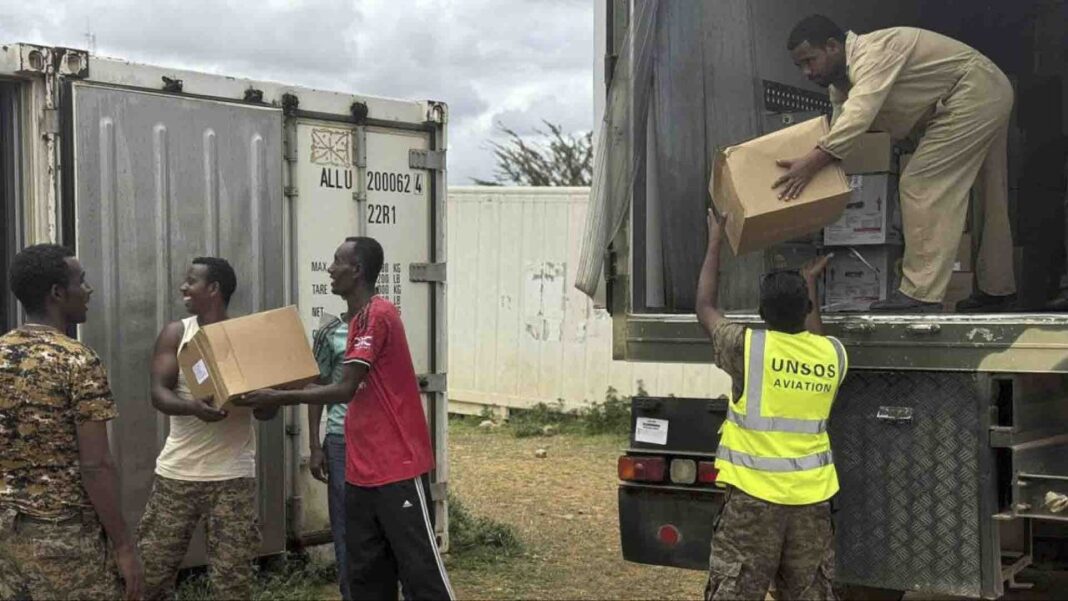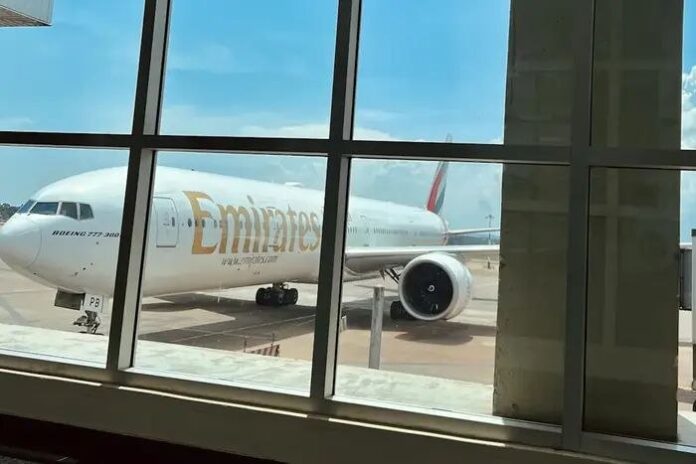
Players within Uganda’s vibrant tourism and aviation sectors are mounting pressure on the government to take decisive action against international carriers, specifically calling for a temporary block on Emirates flights into Entebbe. The backlash comes in direct response to the United Arab Emirates’ continued enforcement of strict, post-Ebola travel restrictions on Ugandan citizens despite the country officially being declared free of the virus.
The calls for retaliation intensified following the Ugandan Ministry of Health’s official announcement on July 28, 2026, declaring the country completely Ebola-free after successfully completing the required monitoring period without any active transmission cases.
Despite this milestone, several nations—including the UAE, Canada, Saudi Arabia, and the United States—have maintained various forms of border controls, enhanced screening, or outright visa suspensions that were originally introduced during the height of the outbreak.
Prominent tourism entrepreneur Amos Wekesa has been a leading voice demanding tougher, reciprocal measures from the Ugandan government. Wekesa argues that it is fundamentally unfair for carriers like Emirates to continue profiting from Uganda’s lucrative aviation market while local travellers and carriers—such as Uganda Airlines—face crippling restrictions that block them from accessing key commercial hubs like Dubai.
“Why have you locked out Ugandans? Yet Emirates still flies into Uganda and Uganda Airlines can’t come to Dubai because its primary market is of Ugandans meant to do business in Dubai?” Wekesa wrote on social media. “Government of Uganda should simply say, from tomorrow, Emirates isn’t flying into Uganda until Ugandans are allowed in Dubai.”
Currently, Emirates maintains a robust schedule serving Entebbe with five flights a week, while local businesses argue they are bearing the brunt of heavily unbalanced bilateral dynamics.
The UAE initially introduced its restrictive measures on June 6, suspending new visa issuances for nationals from Uganda, the Democratic Republic of Congo, and South Sudan, alongside strict entry barriers. Under the current rules, travellers are barred unless they have spent at least 21 consecutive days outside the affected countries.
The UAE government had also previously advised its own citizens against non-essential travel to the region. Canada: Temporary measures targeting foreign nationals from Uganda, DR Congo, and South Sudan remain active through August 29, 2026, involving strict quarantine requirements.
Saudi Arabia: Enforced a full suspension of entry and visa issuance for travellers originating from or passing through the three nations within a 21-day window.
United States: Continues to implement enhanced public health entry controls and screening requirements for anyone recently linked to the region. The continuation of these measures has raised severe concerns across Uganda’s commercial landscape. Tourism, foreign investment, and cross-border trade—all of which heavily depend on seamless international connectivity—are absorbing significant financial pressure.
Even before the final clearance of the outbreak, Ugandan government officials actively challenged the international restrictions, calling them disproportionate and damaging to local commerce given the nation’s swift and effective containment of the virus.
.