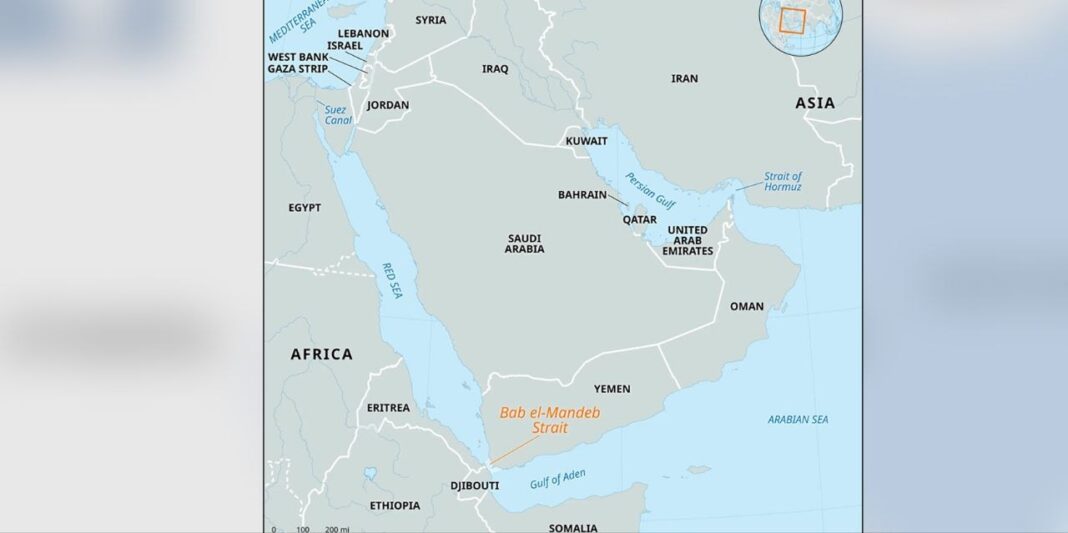
Uganda has effectively insulated its domestic economy from the severe shocks of the ongoing Middle East conflict, a success that the International Monetary Fund (IMF) attributes directly to a major structural shift in the country’s fuel import strategy. According to the IMF’s 2026 Article IV Staff Report, the centralized fuel procurement framework launched in 2024 has streamlined supply chains, creating a vital buffer for the landlocked East African nation against international energy disruptions and erratic price fluctuations.
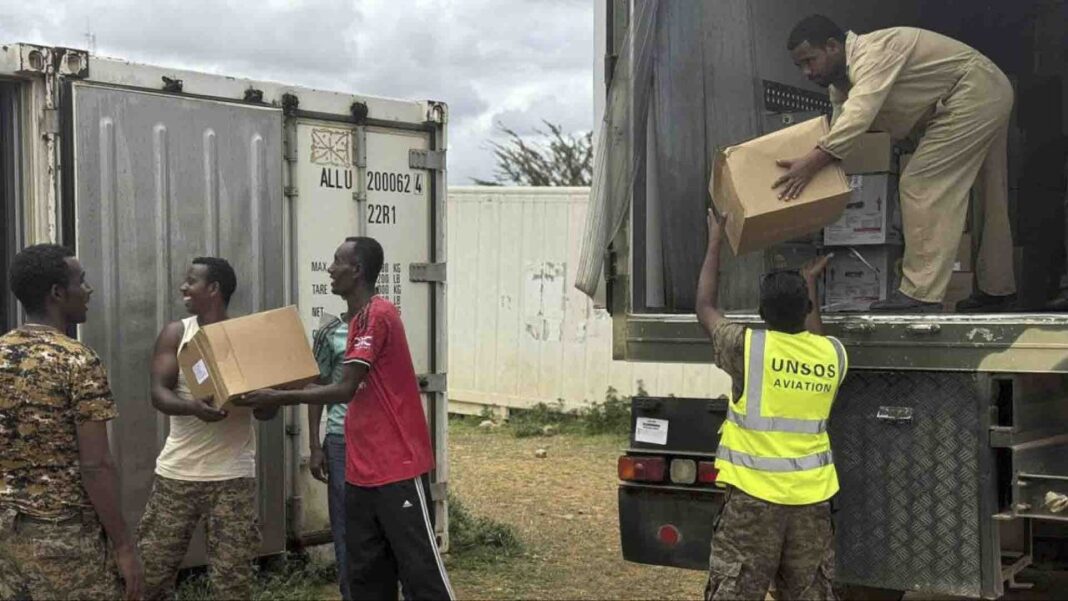
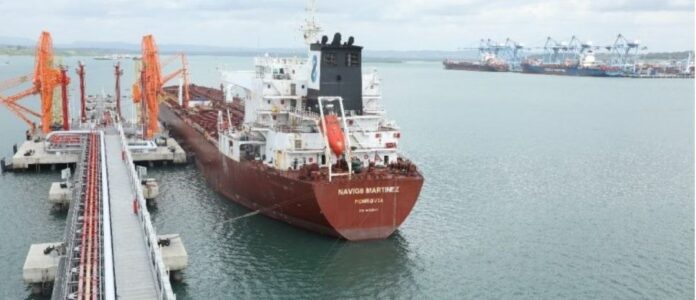
At the core of this transformation is the state-owned Uganda National Oil Company (UNOC), which took center stage in petroleum procurement following legislative amendments to the country’s petroleum supply laws. Under a strategic agreement with global commodities trader Vitol Bahrain E.C., UNOC directly manages product imports before supplying them to licensed oil marketing companies. By bypassing unnecessary middlemen, the reform drastically shortened the supply chain, enhanced national supply security, and minimized domestic price volatility.
Comparative data compiled by the IMF underscores the framework’s effectiveness. When mapping price trends using an index baseline of 100 at the end of February 2026, Uganda’s petrol price index held steady through March before inching up to roughly 110 by early May. This trajectory stands in stark contrast to its neighbors: Tanzania’s index surged to 138, and Rwanda’s spiked to nearly 148, easily surpassing the global benchmark average of 120.
Although Uganda continues to import between 2.3 billion and 2.5 billion litres of refined petroleum annually, the centralized procurement strategy has dramatically altered the financial landscape for the state. The Auditor General reported that UNOC skyrocketed from a net loss of Shs3.8 billion to a record net profit of Shs359.7 billion for the financial year ending June 2025. Since July 2024, the state system has processed over 3.3 billion litres, generating an estimated $150 million in operational margins for UNOC while curbing speculative pressures on foreign exchange reserves.
Building on this momentum, UNOC and Vitol Bahrain have deepened their collaboration by signing a $2 billion (approx. Shs7.6 trillion) seven-year financing facility. These funds will target critical national infrastructure, including a new petroleum storage facility in Namwabula, Mpigi, the expansion of the Jinja terminal, and regional pipeline extensions.
Despite these positive developments, the IMF cautions that prolonged geopolitical instability could still pose challenges. Surging global energy costs and transport expenses are expected to push Uganda’s headline inflation above 5% during the 2026/27 financial year. Even so, with the impending kickoff of commercial crude production from its estimated 1.4 billion barrels of recoverable reserves, Uganda’s innovative state-led fuel framework has successfully laid a resilient foundation for sustainable long-term economic growth.