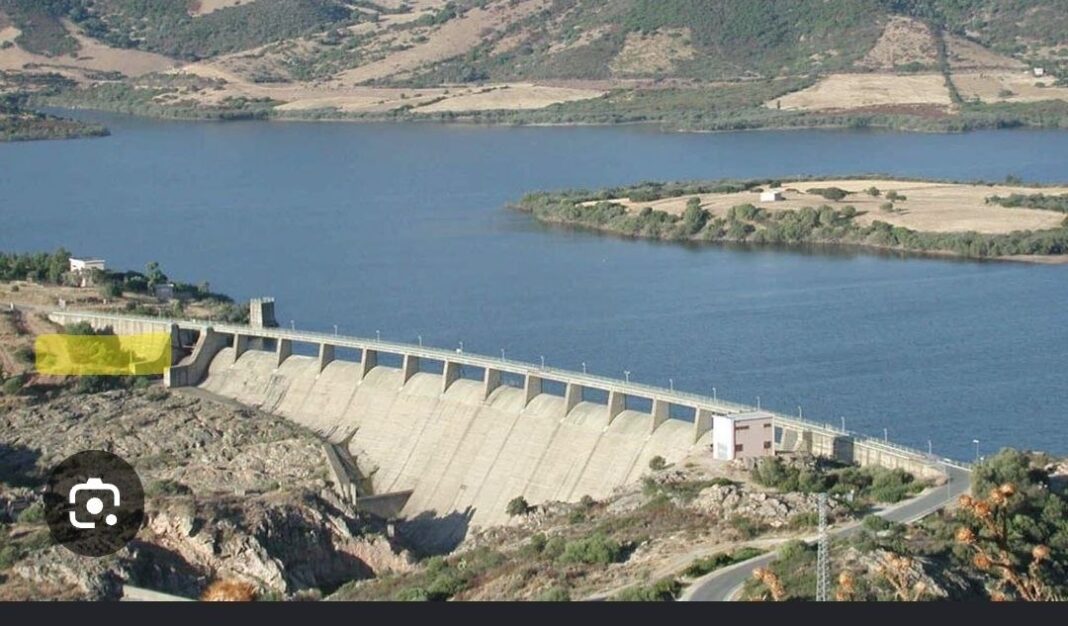
Following the closure of the Egyptian military facility, a new political and economic chapter has opened in East Africa regarding the Nile River dispute, signaling that Juba is moving significantly closer to Ethiopia. The decision by the South Sudanese government to shut down the Egyptian military installation, which had been operating for several years in the Pagak area near the South Sudan-Ethiopia border, is a strategic move that fundamentally shifts the balance of power in the region. The closure of this military surveillance post poses a major historical setback for Cairo’s diplomatic and security leverage surrounding the Grand Ethiopian Renaissance Dam (GERD).
The Egyptian military base in the Pagak area had been operational since 2020, hosting a contingent of about 260 personnel, including military trainers, technicians, and intelligence officers. This location was highly critical for Egypt due to its close proximity to Ethiopia’s Benishangul-Gumuz region, where the GERD project is located, serving as a vital outpost to spy on and monitor the flow of the Nile River as well as regional movements. However, South Sudan’s decision to terminate this military presence shocked top officials in Cairo, forcing Egyptian President Abdel Fattah al-Sisi to hold an emergency meeting with his security and military chiefs.
Political analysts note that the root cause of this decision is entirely tied to South Sudan’s current economic crisis and its regional trade interests. South Sudan relies on crude oil exports for more than 90% of its national revenue. This oil transport, however, is heavily dependent on pipelines running through Sudan to Port Sudan. Currently, the ongoing civil war in Sudan between the Sudanese Armed Forces and the Rapid Support Forces (RSF) has severely damaged oil infrastructure and trade routes, causing a drastic decline in revenues for the government in Juba.
To withstand this devastating economic pressure, South Sudan has been forced to seek alternative oil transit and trade routes. Consequently, the Gambela-Pagak corridor has emerged as a highly promising route for future oil exports and regional trade integration, making it a matter of survival for Juba to strengthen its ties with neighboring Ethiopia. To safeguard its economic existence, South Sudan has set aside Egypt’s political interests and is determined to cooperate with Ethiopia in energy and infrastructure sectors.
Furthermore, this move alters the direction of the diplomatic struggle among Nile Basin nations. It is recalled that South Sudan recently joined Ethiopia, Uganda, Tanzania, Rwanda, and Burundi in signing the Nile Basin Cooperative Framework Agreement (CFA). This agreement completely nullifies the historic 1929 and 1959 treaties that granted Egypt and Sudan exclusive monopoly over the Nile waters. While Ethiopia has long firmly argued that these old colonial treaties are outdated and unfair to current realities, South Sudan joining this bloc represents a massive diplomatic victory for Ethiopia.
The closure of the Pagak military camp is bound to cast a cold shadow over the security arrangements previously held between Egypt and South Sudan. Through loans and infrastructure investments granted to South Sudan in recent years, Egypt had secured military access to strategic locations such as Bor, Pibor, Pochalla, and Malakal; however, Juba’s recent decision has sent their relations in a completely new direction.
According to the recent report, shifting trade realities, oil export risks, and regional security demands in East Africa and the Nile Basin are giving birth to new political alliances. South Sudan’s political pivot toward Ethiopia to avert its own economic collapse stands as a development that significantly strengthens Ethiopia’s position in upcoming negotiations over the utilization of Nile waters, while weakening Cairo’s ambitions of maintaining regional dominance.