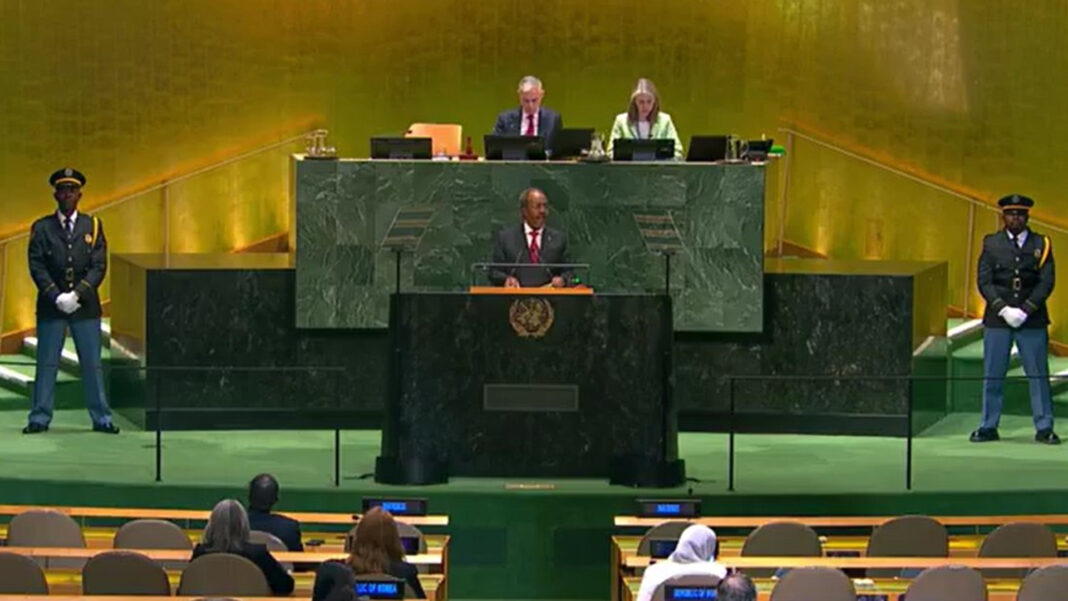
Somalia is charting a historic new course toward democratic governance, anchoring its future in a multi-party political system designed to give every citizen a direct voice. In a comprehensive address outlining the nation’s trajectory, the leadership underscored an unwavering commitment to replacing decades of fragmented politics with a stable, rules-based constitutional democracy.
At the heart of Somalia’s current transition is an expansive, inclusive political process that actively incorporates federal member states, civil society organizations, women, young people, and the diaspora. The overarching vision is to construct a functioning democratic state where political disputes are resolved through dialogue, law, and ballots rather than violence.
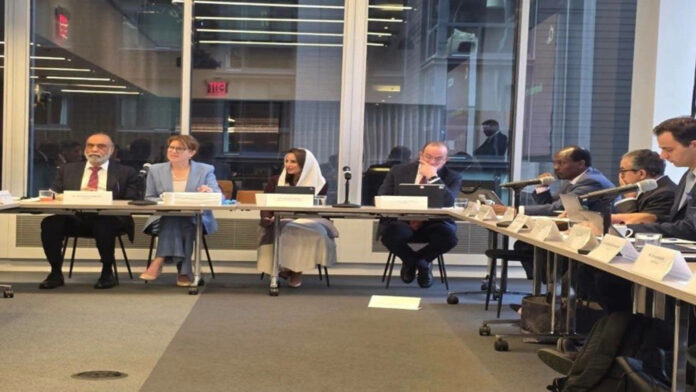
To safeguard this transition, the government has called upon the United Nations and international partners to provide vital backing for democratic institutions. Crucially, this international cooperation operates under the strict principle of Somali ownership—ensuring that the nation’s political power is permanently rooted in citizen participation and constitutional law.
Beyond domestic political reforms, Somalia continues to combat international terrorism with resolute determination alongside regional and international allies. Emphasizing that the fight against extremism is a frontline defense for global security, leadership has advocated for predictable, sustained support, including adequate funding for African Union missions and the empowered handover of security responsibilities to capable national institutions.
Economically, Somalia is reaping the benefits of rigorous reforms following historic debt relief, posting a resilient real gross output growth of 3.1 percent. However, external vulnerabilities persist; regional tensions and disruptions in vital trade arteries like the Strait of Hormuz have driven up inflation and triggered an estimated 40% decline in customs revenue. Mitigating these shocks remains essential to funding ongoing poverty reduction and structural transformations.
As Somalia cements its integration into the global community—highlighted by its accession to the East African Community and ratification of continental trade agreements—it continues to champion institutional reform worldwide. Highlighting native initiatives such as the National Climate Fund and the Human Rights Commission, the nation argues that true multilateral progress requires updating both the UN Security Council and international financial architectures.