The Intergovernmental Authority on Development (IGAD) has officially brought its transformative 2023 Treaty into force, marking a monumental milestone toward strengthening regional integration, economic cooperation, peace, and security across the Horn of Africa.
This historic development replaces the 1996 agreement that served as the foundational legal framework for the eight-member regional organization for nearly three decades. The newly enacted Treaty establishes a robust institutional and legal foundation designed to help member states tackle complex shared challenges, streamline decision-making, and advance collaborative development.
The official entry into force coincides with IGAD’s 40th anniversary, commemorating four decades since the bloc’s inception in 1986. Originally established as the Intergovernmental Authority on Drought and Development (IGADD), the organization initially focused on coordinating regional strategies to combat severe drought, desertification, and recurring food insecurity. In 1996, recognizing the interconnected nature of regional stability, member states expanded its mandate into IGAD, incorporating broader priorities such as peace, security, and comprehensive economic cooperation.
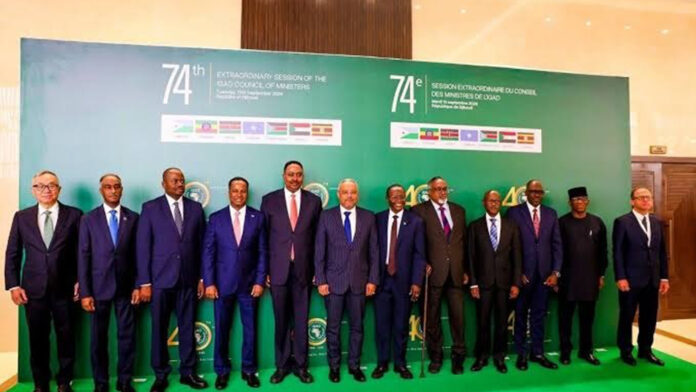
Adopted on June 12, 2023, during the 14th Ordinary Session of the IGAD Assembly of Heads of State and Government in Djibouti, the new Treaty required formal ratification by at least two-thirds of the organization’s eight member states to take effect. By September 2026, Djibouti, Ethiopia, Kenya, Somalia, and South Sudan had successfully ratified the agreement. The required threshold was officially confirmed by the IGAD Council of Ministers during its 74th Extraordinary Session on September 15.
According to the IGAD Secretariat, the updated framework provides member states with a modernized toolkit to deepen regional integration and jointly address transnational crises. IGAD Executive Secretary Dr. Workneh Gebeyehu emphasized that the agreement significantly enhances the region’s collective capacity to respond to emergencies and uplift local livelihoods.
“When conflict spills across our borders or drought takes away a family’s livelihood, our ability to act together matters,” Dr. Workneh stated, underscoring the vital importance of turning political commitments into tangible, ground-level results.
The comprehensive legal framework covers 18 distinct areas of cooperation outlined under Article 24. These provisions include sweeping measures for trade liberalization, the free movement of people and labor, renewable energy development, modern agriculture, food security, gender equality, and good governance. Furthermore, the Treaty clarifies the roles of various IGAD institutions, establishes structured dispute resolution mechanisms, and reinforces member states’ legal obligations to implement collective decisions.
The revised framework directly targets structural weaknesses identified under the previous agreement, eliminating past ambiguities in enforcement and dispute resolution. Regional experts note that the enhanced architecture will create new pathways for cross-border commerce, improved human mobility, and unified responses to climate-related shocks and humanitarian disasters.
The Horn of Africa remains highly vulnerable to environmental and geopolitical stressors, including recurring droughts, acute food insecurity, armed conflicts, and mass displacement. Because these challenges frequently transcend national borders, officials stress that coordinated regional strategies are more crucial than ever.
Following the announcement, the IGAD Secretariat will collaborate closely with member states and international regional partners to execute the administrative, legal, and institutional changes necessary for full implementation. Dr. Workneh commended the nations that finalized their domestic ratification and issued a call to the remaining member states—Eritrea, Sudan, and Uganda—to conclude their internal procedures and deposit their instruments of ratification.
Meanwhile, the Ethiopian government has officially welcomed the Treaty’s entry into force, hailing it as an essential milestone for regional solidarity and partnership. In an official statement, the Ethiopian Ministry of Foreign Affairs congratulated IGAD member states and the Secretariat, noting that the achievement reflects deep confidence in the organization’s future.
The Ministry emphasized that the new Treaty reinforces the shared aspirations of IGAD countries for enduring peace, stability, and collective prosperity. Praising Dr. Workneh and the Secretariat for their perseverance, Ethiopia reaffirmed its unwavering commitment to supporting the effective implementation of the Treaty to confront common political, economic, and developmental hurdles across the Horn of Africa.