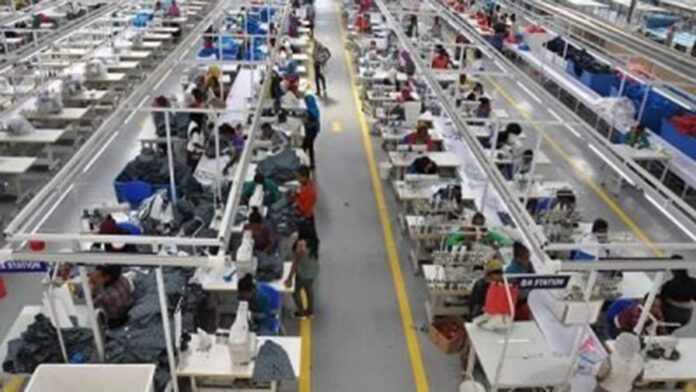
Ethiopia is seeking increased domestic and foreign investment to strengthen its textile, garment and leather industries, with a focus on expanding local processing, manufacturing capacity and finished goods exports. The initiative was highlighted during the 12th African Sourcing and Fashion Week (ASFW), which opened on November 12 at the Addis International Convention Center.
The four-day exhibition brought together more than 250 exhibitors, with over 6,000 trade visitors and buyers from 70 countries expected to attend. The event serves as a platform to facilitate investment partnerships, connect manufacturers with international buyers and expand Ethiopia’s access to global markets.
Speaking at the opening ceremony, State Minister of Industry Dagato Kumbe emphasized Ethiopia’s ambition to develop internationally competitive industries by integrating production processes from raw materials to finished products. He stressed the importance of strengthening cotton production, spinning, weaving, garment manufacturing and fashion branding while improving quality and compliance with international standards.
Dagato also called for greater investment in leather processing and footwear manufacturing to reduce dependence on raw hides and skins exports. He identified the planned Mojo Leather City Industrial Park as a major opportunity for investors, noting that it would provide the infrastructure and facilities needed to add value locally rather than exporting unprocessed materials.
Industrial Parks Development Corporation CEO Fesseha Yitagesu said Ethiopia has established 14 special economic zones over the past decade, attracting more than 300 investors and generating over 100,000 jobs. The industrial parks have become a cornerstone of the country’s strategy to industrialize and create employment, particularly for its young population.
Meanwhile, Ethiopian Textile and Garment Manufacturers Association President Goshu Negash highlighted Africa’s limited participation in global textile exports despite producing approximately eight percent of the world’s raw cotton. He urged stronger policies, improved infrastructure and greater investment in value chains to enhance competitiveness. Negash’s comments underscored the gap between the continent’s raw material potential and its actual share of global manufacturing and export markets.
U.S. Embassy Agricultural Counsellor Sarah Gillespie also highlighted cooperation between American leather suppliers and African designers. She noted that the United States exports approximately USD 700 million worth of hides and skins globally, while exports to Africa remain below USD 1 million. Gillespie’s remarks pointed to significant untapped potential for trade in leather materials between the United States and African markets.
The ASFW exhibition aimed to facilitate investment partnerships, connect manufacturers with international buyers and expand Ethiopia’s access to global markets. The event reflects Ethiopia’s broader strategy of leveraging its industrial parks, abundant labor and agricultural raw materials to become a competitive manufacturing hub in Africa.