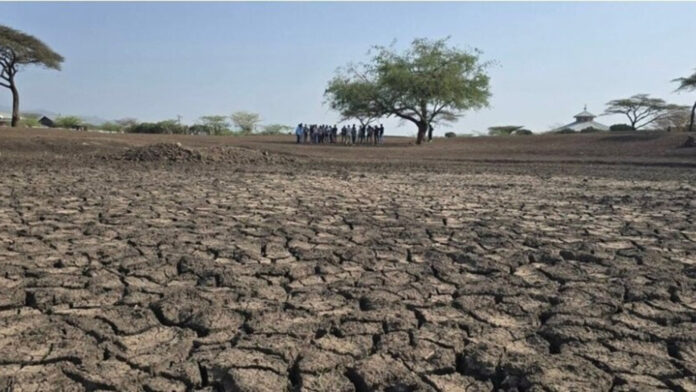
Severe drought and escalating conflict are expected to push parts of Tigray, Amhara and Afar into Emergency (IPC Phase 4) levels of food insecurity in early 2027, according to the Famine Early Warning Systems Network (FEWS NET). In its latest Ethiopia Food Security Outlook covering October 2026 to May 2027, published on 10 November, the agency warned that historically severe deficits in the June-September kiremt rainy season, compounded by conflict-related market disruptions, could leave vulnerable households unable to meet their minimum food requirements, increasing the risk of acute malnutrition and mortality.
The projected deterioration comes as the 2026 meher harvest, although already underway, remains delayed and significantly below average. FEWS NET said poor households in the most severely affected areas would have little or no harvest remaining and would become dependent on market purchases earlier than usual, despite limited income and persistently high staple food prices. Regional authorities recently revealed that all crops planted on 26,722.5 hectares of rain-fed farmland across 10 kebeles of Raya Azebo district, in the Southern Zone of the Tigray region, were lost due to a lack of rainfall.
The report identified parts of eastern, southeastern and southern Tigray, areas along the Tekeze River, and lowland areas of Wag Himra and North Gondar in Amhara among the areas expected to face particularly severe conditions. Emergency outcomes are projected to emerge in the most severely drought-affected areas from February 2027, with near-total crop failures expected to leave households with insufficient food stocks and limited capacity to purchase food. In northern Afar, particularly remote areas with severely restricted market access, FEWS NET projected a deterioration into Emergency conditions between February and May 2027, as ongoing drought, renewed insecurity and longstanding trade disruptions between northern Afar and Tigray further restrict grain supplies and livestock trade.
The report also projected that some of the most vulnerable households in the lowlands of East and West Hararghe in Oromia could face Emergency outcomes between February and May 2027, with crop yield losses in these areas estimated to exceed 40%, compared with 10-20% in the midlands and highlands.
FEWS NET attributed the worsening outlook not only to rainfall deficits but also to renewed fighting and insecurity disrupting agricultural production, trade routes and household income opportunities. Fighting intensified across northern Ethiopia in late September, with clashes escalating in the eastern, central and northwestern zones of Tigray and intensifying in eastern and northern Amhara. In Tigray, many poor households have increasingly resorted to borrowing, selling firewood and eucalyptus poles, seeking seasonal labour despite insecurity, and engaging in risky artisanal mining to obtain money for food.
The report also highlighted significant constraints on humanitarian assistance. More than 700,000 people received food assistance in September, primarily in Somali, Amhara, Afar, Tigray and Gambela regions, representing a 73% decline from August. The Productive Safety Net Programme has also faced disruptions, with public-works transfers largely suspended since January 2026 and the programme remaining suspended in Tigray, expected to stay so through at least May 2027.
While northern Ethiopia faces worsening conditions, the report projects some seasonal improvements in parts of the south and southeast following the onset of the October-December deyr/hageya rains. However, FEWS NET cautioned that many pastoral households continue to have significantly reduced livestock herds following previous droughts, limiting their ability to recover fully, while conflict-displaced households in Moyale remain in Crisis.