The small Horn of Africa nation of Djibouti is currently struggling to cope with a complex and volatile humanitarian situation, characterized by simultaneous multi-directional population movements. According to the International Organization for Migration (IOM), the country is confronting an unprecedented set of “overlapping emergencies” as an escalating conflict in Yemen forces thousands to flee across the Red Sea, even as thousands of East African migrants continue to travel in the opposite direction.
Briefing journalists via video link from Geneva, Alexandre Coissac, the head of the IOM mission in Djibouti, highlighted the compounding pressures facing the nation. Over the course of just three weeks, more than 3,700 refugees have completed a perilous crossing of the Red Sea to reach Djiboutian shores, escaping the intensifying violence in Yemen.
Simultaneously, the migration agency has tracked an immense counter-flow of movement. More than 20,000 journeys have been initiated from Ethiopia since September 10, with migrants traversing hazardous east African routes toward Yemen in the persistent hope of securing employment in the Gulf states. Adding to this intricate web of movement, at least 539 Ethiopian migrants have managed to cross back from Yemen, using Djibouti as a transit point on their journey home.
“Djibouti is therefore confronting movement in both directions: people fleeing Yemen are arriving as refugees, migrants continue travelling towards Yemen, and other migrants are returning,” Mr. Coissac stated.
The humanitarian toll of this dual crisis is heavy. Between September 20 and 30, field monitors observed more than 3,000 stranded migrants scattered along remote desert routes in Djibouti. These individuals are frequently subjected to severe dehydration, physical exhaustion, and critical shortages of food and water. Compounding the crisis, the IOM has received alarming reports of migrants perishing in the arid desert near the Ethiopian border.
Aid workers note that many migrants bound for Yemen are entirely unaware of the grave dangers awaiting them. Fighting between Government forces—backed by Saudi Arabia—and Iran-backed Houthi forces has sharply intensified. Recent reports indicate that Saudi-backed government forces recently launched a major offensive to re-take control of the strategic Bab al-Mandab Strait at the mouth of the Red Sea. Meanwhile, UN Secretary-General António Guterres has voiced deep concern over the wider escalation, formally condemning ongoing cross-border attacks.
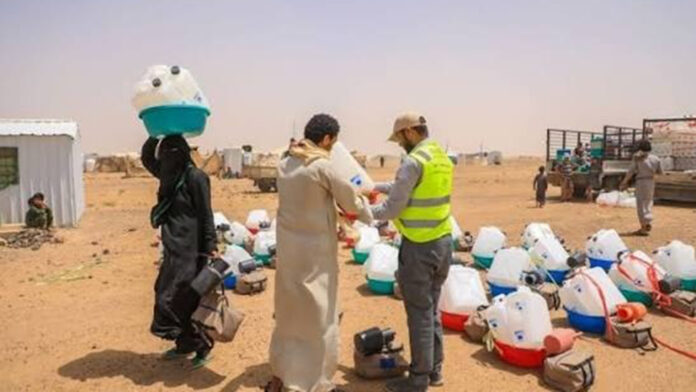
In response to the crisis, local Djiboutian authorities have acted swiftly to manage the influx, while the IOM continues to deliver emergency food, water, and assisted voluntary return services. However, because desperate migrants are increasingly turning to hidden secondary routes to bypass authorities, reaching those in critical distress has become progressively difficult.
With the scale and complexity of these simultaneous crises stretching local resources far beyond capacity, the IOM is urging the international community to step up. Aid organizations emphasize that whether individuals are fleeing war or seeking economic opportunity, they share an immediate requirement for safety, protection, and fundamental assistance—necessitating urgent, sustained support for both the new arrivals and the strained host communities in areas like Obock.