South Sudan has raised a nationwide alarm, warning of severe riverine flooding following an official notification from Uganda regarding dangerously rising water levels in Lake Victoria.
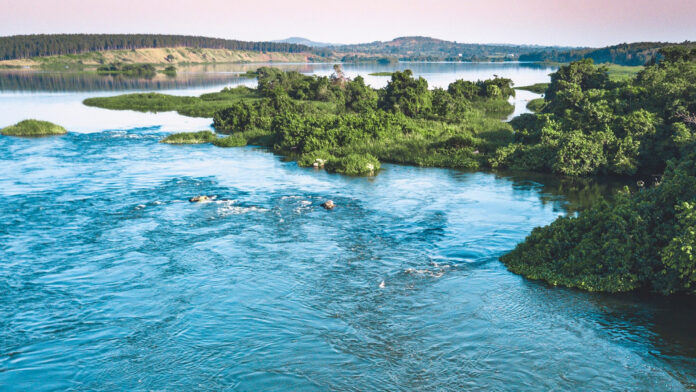
During a press conference , the Minister of Water Resources and Irrigation, James Mawich Makuach, announced that his ministry received the urgent alert from Uganda’s Ministry of Water and Environment on September 15, 2026. Transmitted under the Nile Basin Initiative’s technical cooperation framework, the warning highlights that Lake Victoria is expected to reach record highs, forcing increased water releases downstream into the River Nile.
Hydrological simulations conducted by Ugandan authorities indicate that these increased flows will soon reach South Sudan. The impending threat looms large over numerous regions, including Eastern Equatoria, Warrap, Upper Nile, Jonglei, Central Equatoria, Unity, Northern Bahr el Ghazal, Western Bahr el Ghazal, and Lakes State, alongside the administrative areas of Abyei, Pibor, and Ruweng.
“The heavy water releases downstream will lead to severe riverine flooding in South Sudan, significantly threatening Juba City and surrounding lowland areas, with potential damage to property, infrastructure, and livelihoods,” Minister Makuach cautioned journalists.
While current hydrological measurements along the Nile—ranging from Nimule to Renk and Nasir to Bentiu—currently show water levels below flood-alert thresholds, the minister stressed that this calm is temporary. The situation is projected to change rapidly once the massive upstream water volumes arrive.
This impending disaster compounds an already fragile climate situation in the country. South Sudan has recently grappled with reduced rainfall between June and September 2026, triggering localized drought conditions that have severely impacted agriculture, livestock, and community water access. The sudden transition from drought stress to catastrophic riverine flooding underscores the severe climate vulnerabilities facing communities along the Nile basin.
In response to the imminent danger, the Ministry of Water Resources and Irrigation is urging immediate preparedness measures. Key priorities include strengthening early-warning and water-monitoring systems, as well as reinforcing flood-control infrastructure, such as dykes, in vulnerable communities.
Furthermore, Minister Makuach revealed that the ministry plans to present an official memorandum on the anticipated water flows to the National Council of Ministers via the Economic Cluster. This is intended to fast-track emergency funding and governmental coordination.
“The Ministry of Water Resources and Irrigation will continue monitoring the situation in coordination with Uganda’s Ministry of Water and Environment and provide timely updates on anticipated water flows downstream,” Makuach concluded, calling on citizens in low-lying areas to remain vigilant as monitoring efforts intensify.